Riohacha and the Wayuu Rancherias
Remote, wild, and unforgettableWhat so see and do in Riohacha
Riohacha is the Capital city of La Guajira, the second poorest Department in Colombia. We landed here at the end of a field-research trip which was visiting the influence area of large-scale coal mining in Colombia. With over 40% of its GDP depending on coal mining, and as home of the largest open-pit coal mine of all America (El Cerrejon), La Guajira was a mandatory stop for us, since Paola is a researcher that focuses on coal phaseout.
The entire landscape to reach Riohacha and the high Guajira is very desertic and, with the exception of a few small towns, also very low populated. These harsh weather and geographic conditions have made it difficult for the region to develop but have also resulted in indigenous populations form the area (Wayuu) to preserve their traditional way of living being little changed for centuries.
Riohacha is coastal city known for its cultural diversity and as the gateway to the region’s incredible natural attractions, including Cabo de la Vela and Punta Gallinas. But Riohacha is more than just a stopover—it’s a lively destination with a rich history and a unique cultural heritage, especially when it comes to music and folklore. One of the best times to visit is during the renowned Vallenato Festival, a celebration of Colombia’s traditional music.
Visiting the Wayuus in a Rancheria
Visiting the Wayuus in a Rancheria (community settlement) and learning from their traditions is one of the highlights of this trip, which we highly recommend. In our case, we could visit a few of them, all affected by large scale coal-mining, however, in the surroundings of Riohacha and on the way to the High Guajira (Alta Guajira) there are several opportunities to visit such Rancherias.
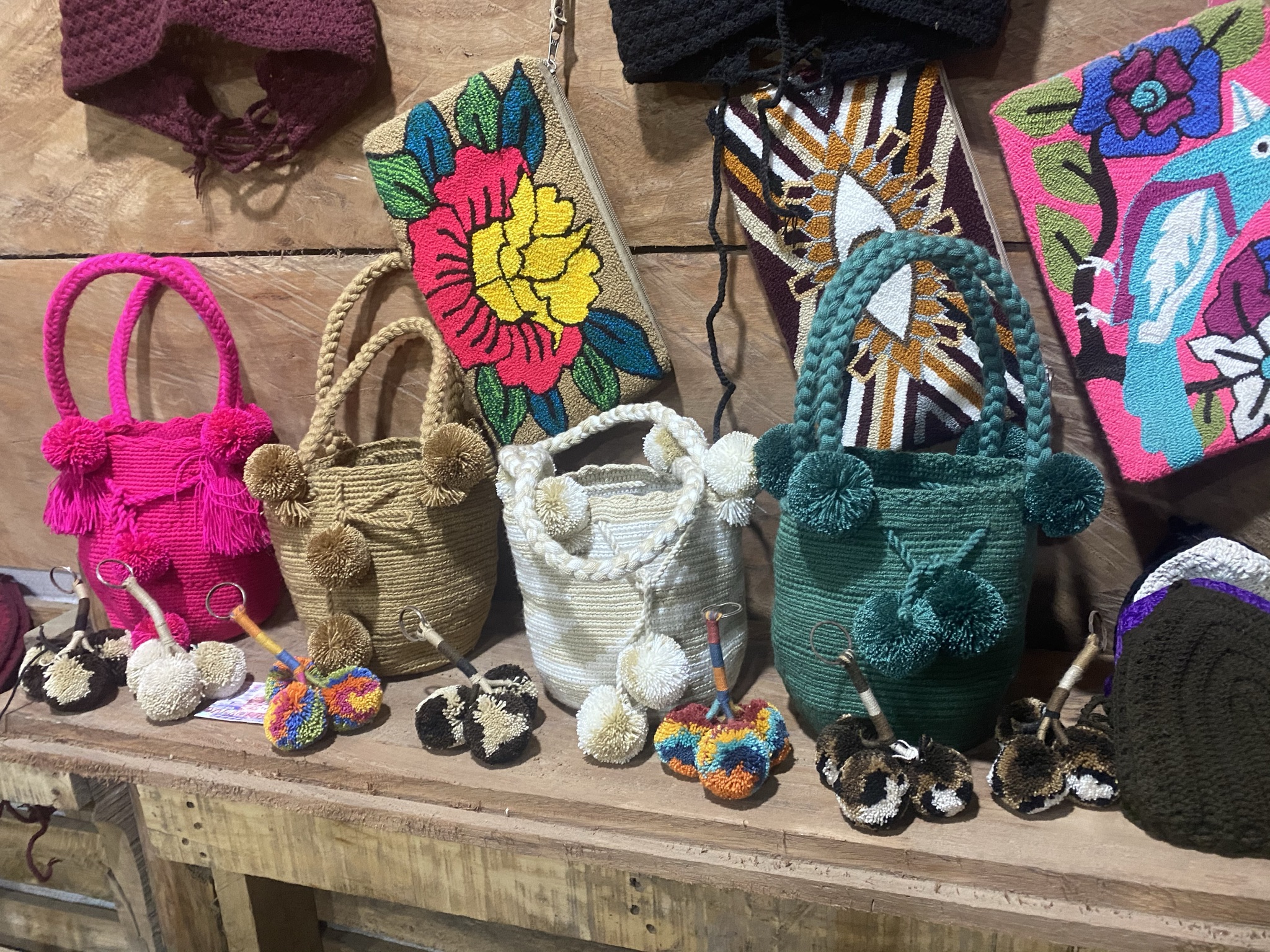
Considering the weak socioeconomic conditions of people living in Rancherias, we recommend you to either bring with you a small gift for them (coffee, water, rice, or similar are always welcome) or to buy directly from them some souvenirs instead that in stores in the city which make a huge profit but buy very cheap from the handcraft women (artesanas). Their mochilas, hamacas, and other souvenirs are one of the most colourful and beautiful handcrafts of Colombia and when not produced in industrial ways, tell a story of the woman who knitted it.
Riohacha city
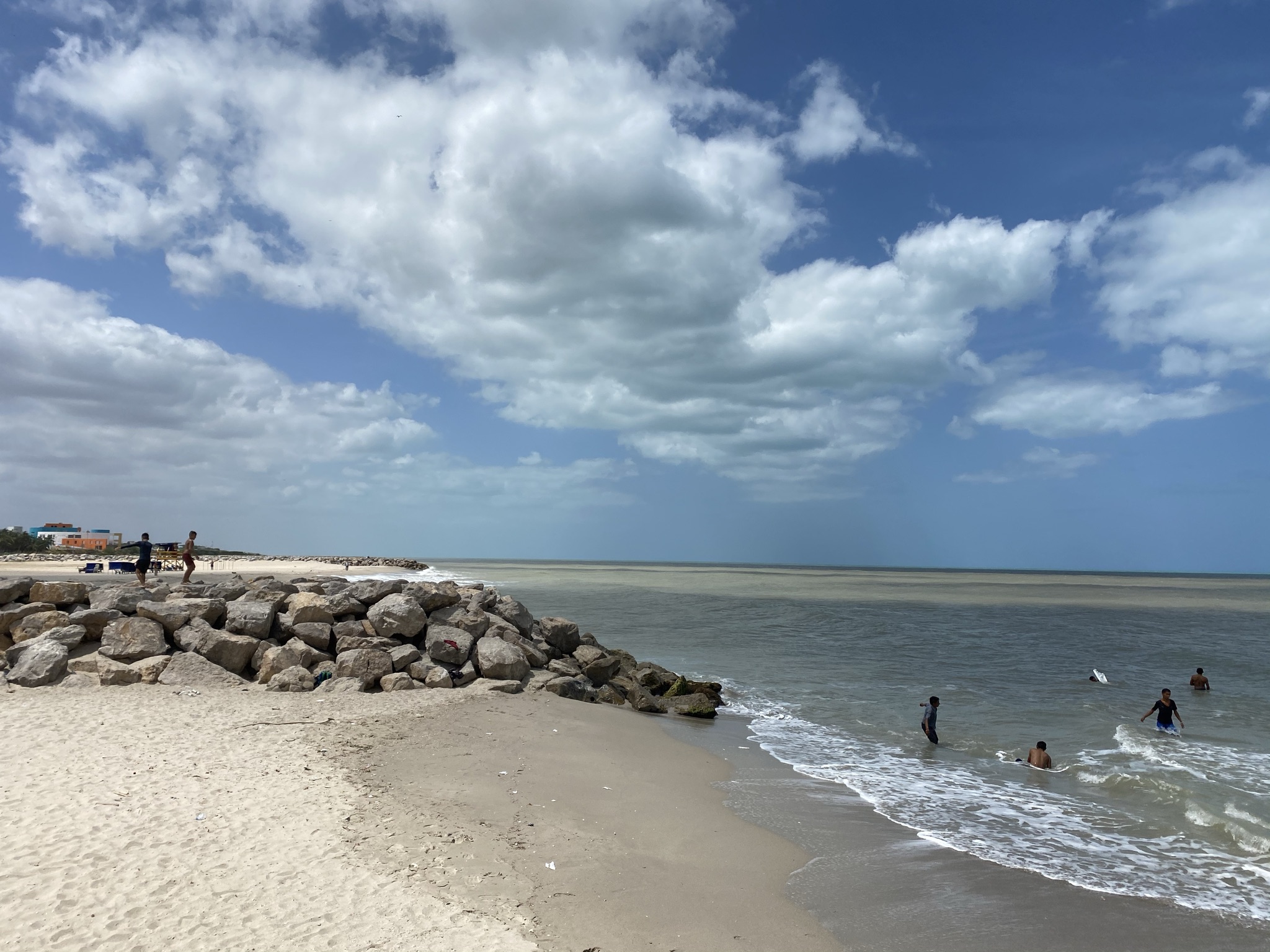
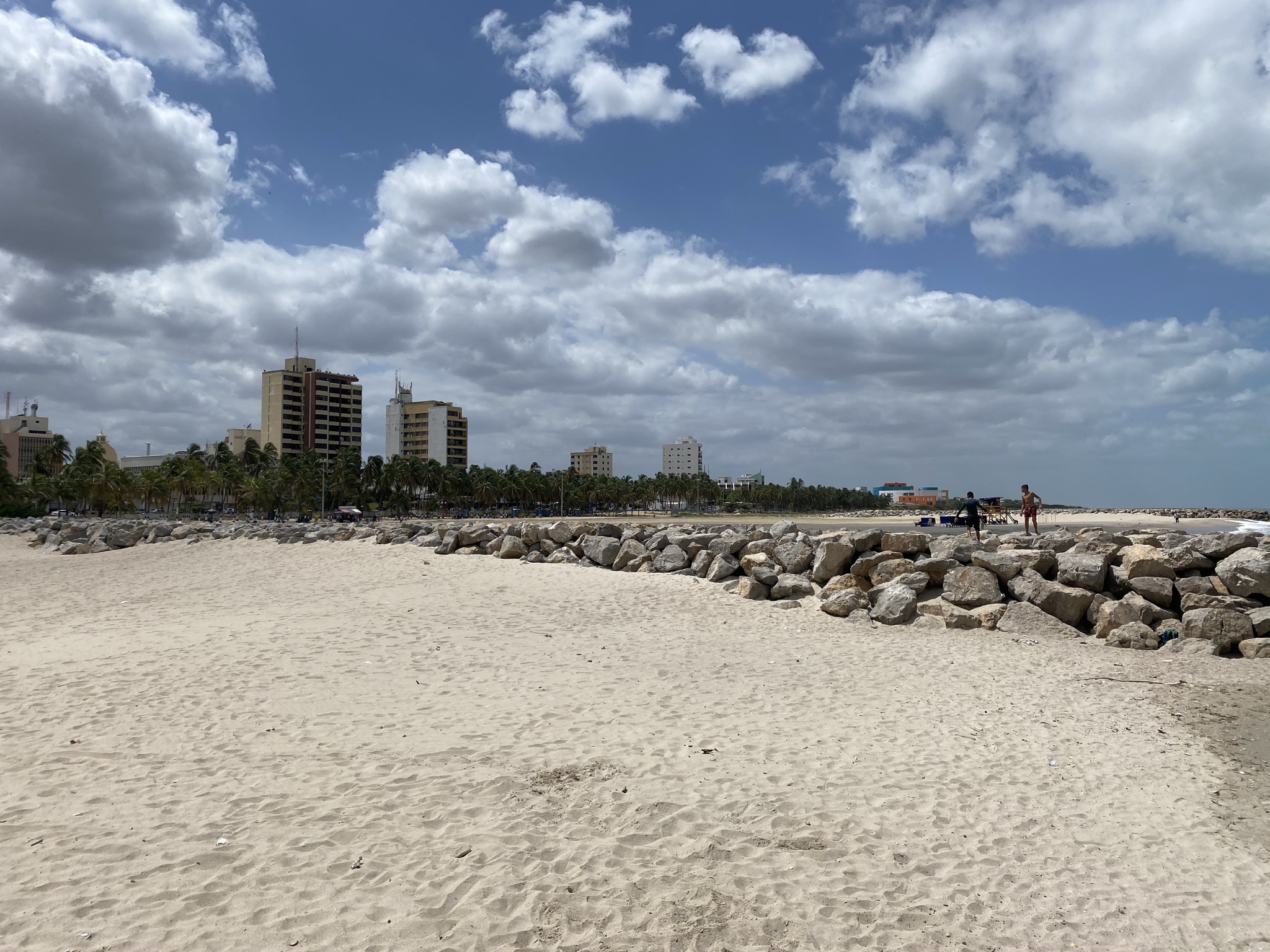
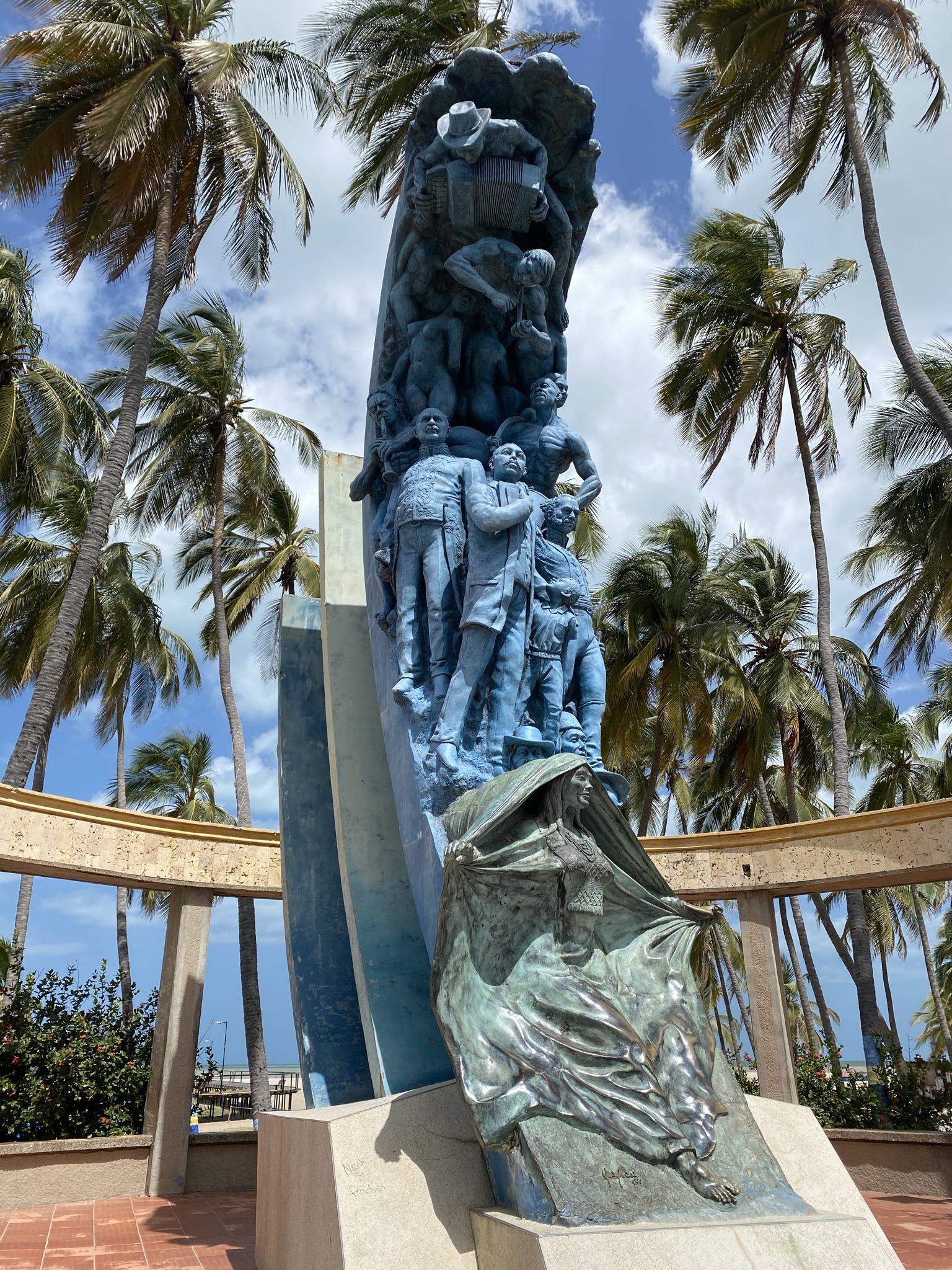
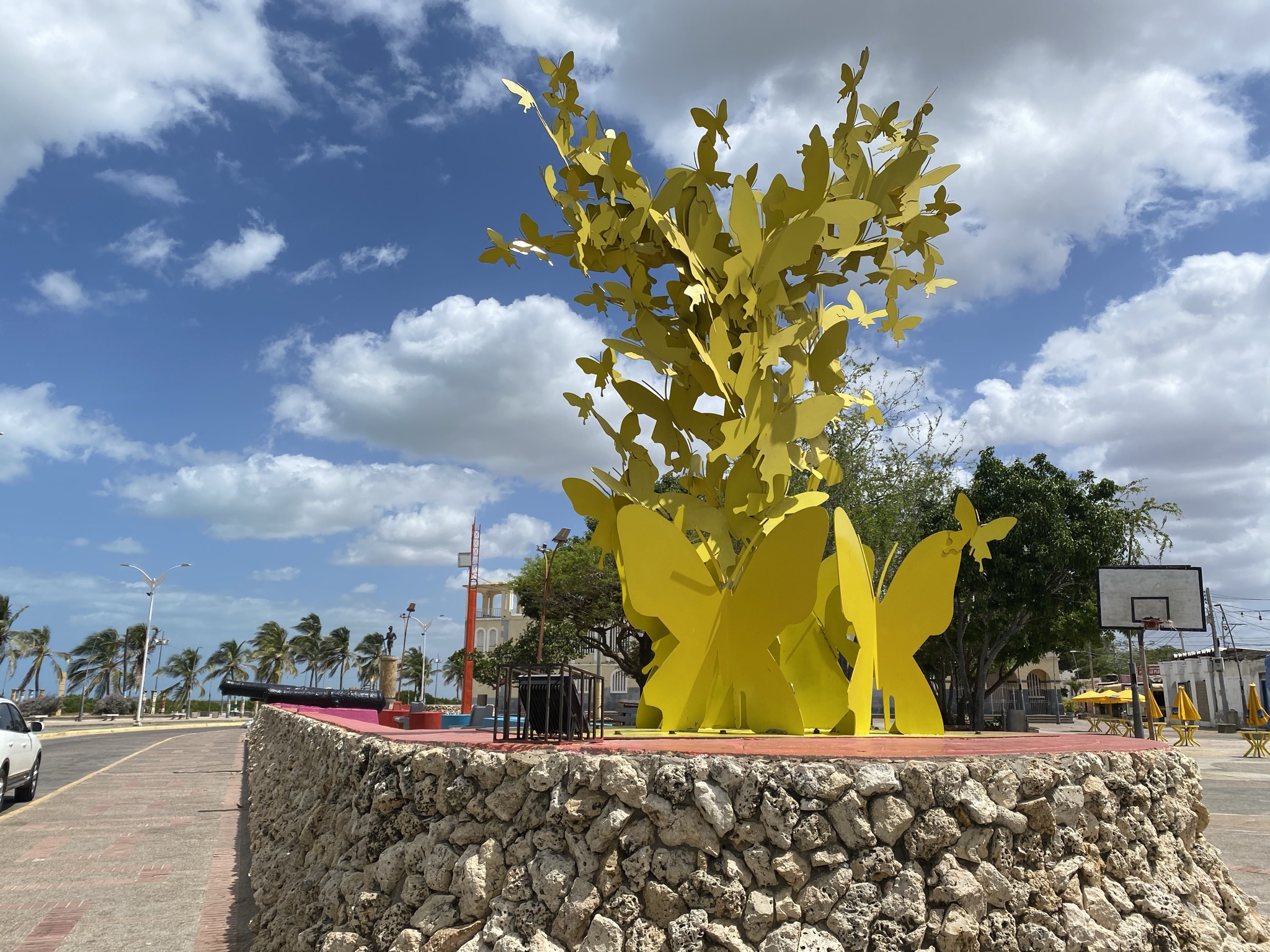
As for Riohacha is a small city, with a humble port, but with a beautiful view of the Caribbean Sea and some beaches to relax. Start your visit with a leisurely stroll along Riohacha’s Malecón, the city’s scenic beachfront promenade. This walkway is lined with palm trees and offers beautiful views of the Caribbean Sea. As the sun sets, the Malecón becomes even more magical.
However, not everything is perfect here: a clear sign of the underdevelopment of La Guajira is that even its capital Riohacha does not provide basic public services in a reliable way such as public transport, stable electricity supply, or drinking water, or good medical attention systems. Therefore, if you are planning a longer stay in La Guajira, prepare yourself for a not very comfortable holiday. This is the main reason why we don’t recommend La Guajira as a destination for families with small children.
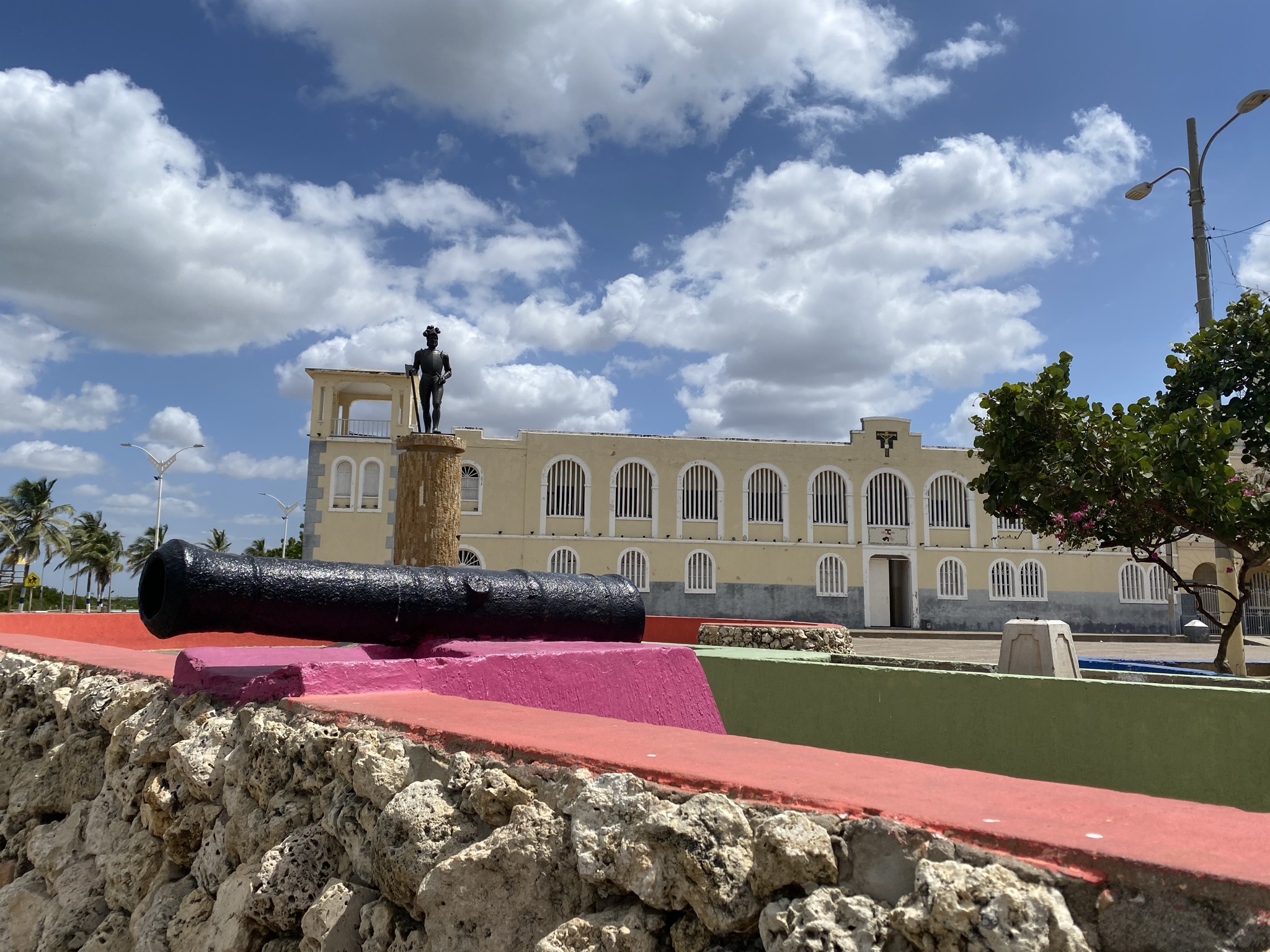
Similar to Cartagena, Riohacha was a very important port in colonial times, however unlike Cartagena, this port was illegal and tons of goods, minerals, and slaves were smuggled in or taken out from the country to Europe or Africa. There are no guided tours in the city, but with a bit of luck, you will be able to find several locals that will be able to tell you stories about their origins and the adventures of their ancestors, who include slaves that scaped, merchants, Venezuelans, or campesinos from the inner-Colombia that settled in the region and “mixed” with local indigenous population, colonisers, merchants, or fled Europeans that hopped in illegal ships.
Attend the Vallenato Festival
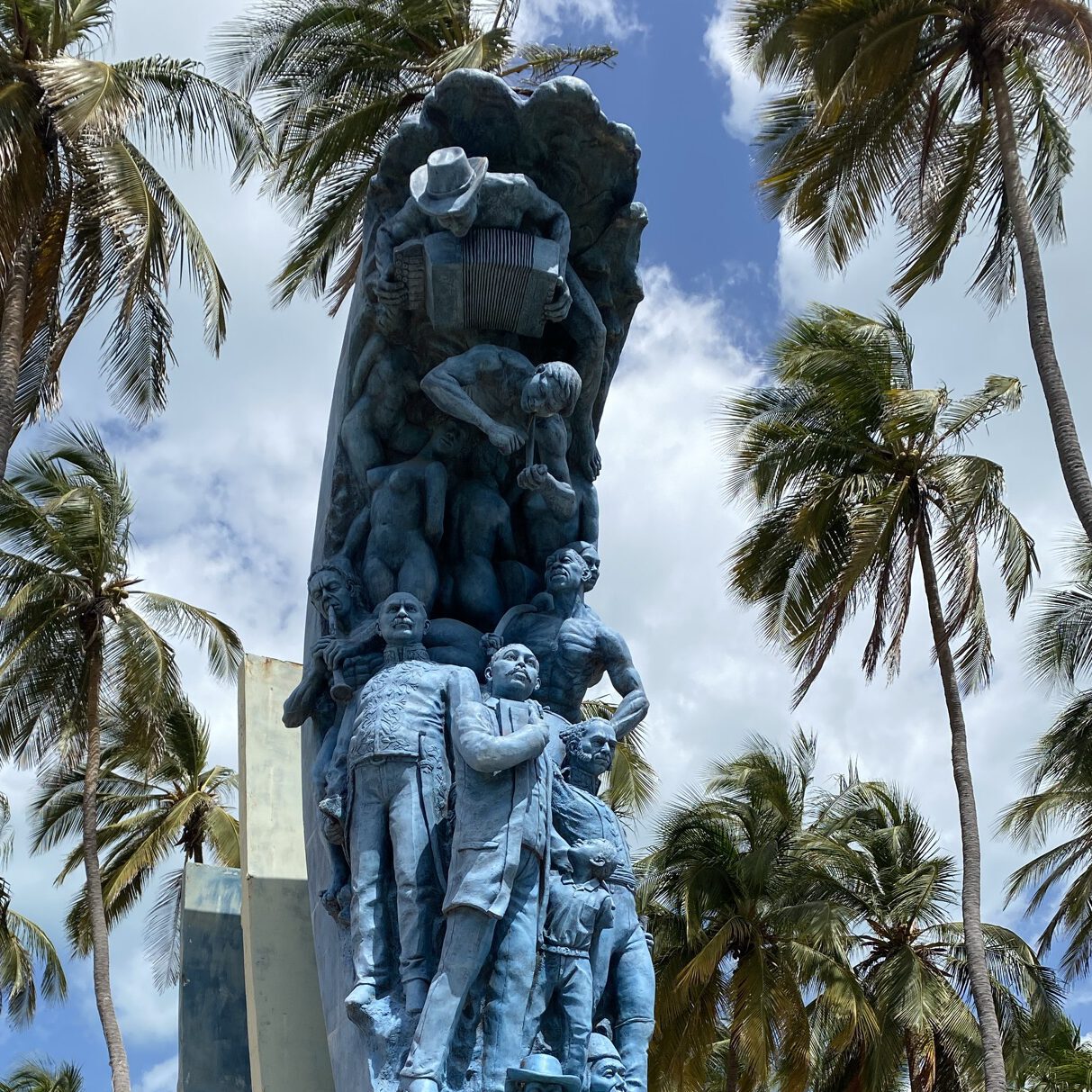
For music lovers, Riohacha is a key stop during the Francisco el Hombre Festival, a lively celebration of Colombia’s favourite folk music: vallenato. Vallenato, a genre rooted in the culture of the Caribbean coast, combines the accordion, caja (small drum), and guacharaca (scraper) to create infectious rhythms that tell stories of love, hardship, and tradition.
The Francisco el Hombre Festival, held annually in March, celebrates vallenato music, a genre deeply rooted in the Caribbean coast’s cultural heritage. Named after the legendary musician Francisco el Hombre, who is said to have won a musical duel with the devil, the festival features competitions between the best vallenato performers, including accordionists, singers, and storytellers. It’s a vibrant celebration with live music, dancing, and a festive atmosphere that takes over the city for several days.
Even if you’re not visiting during the festival itself, vallenato music can be heard throughout Riohacha year-round.
Visiting the Flamingos Sanctuary
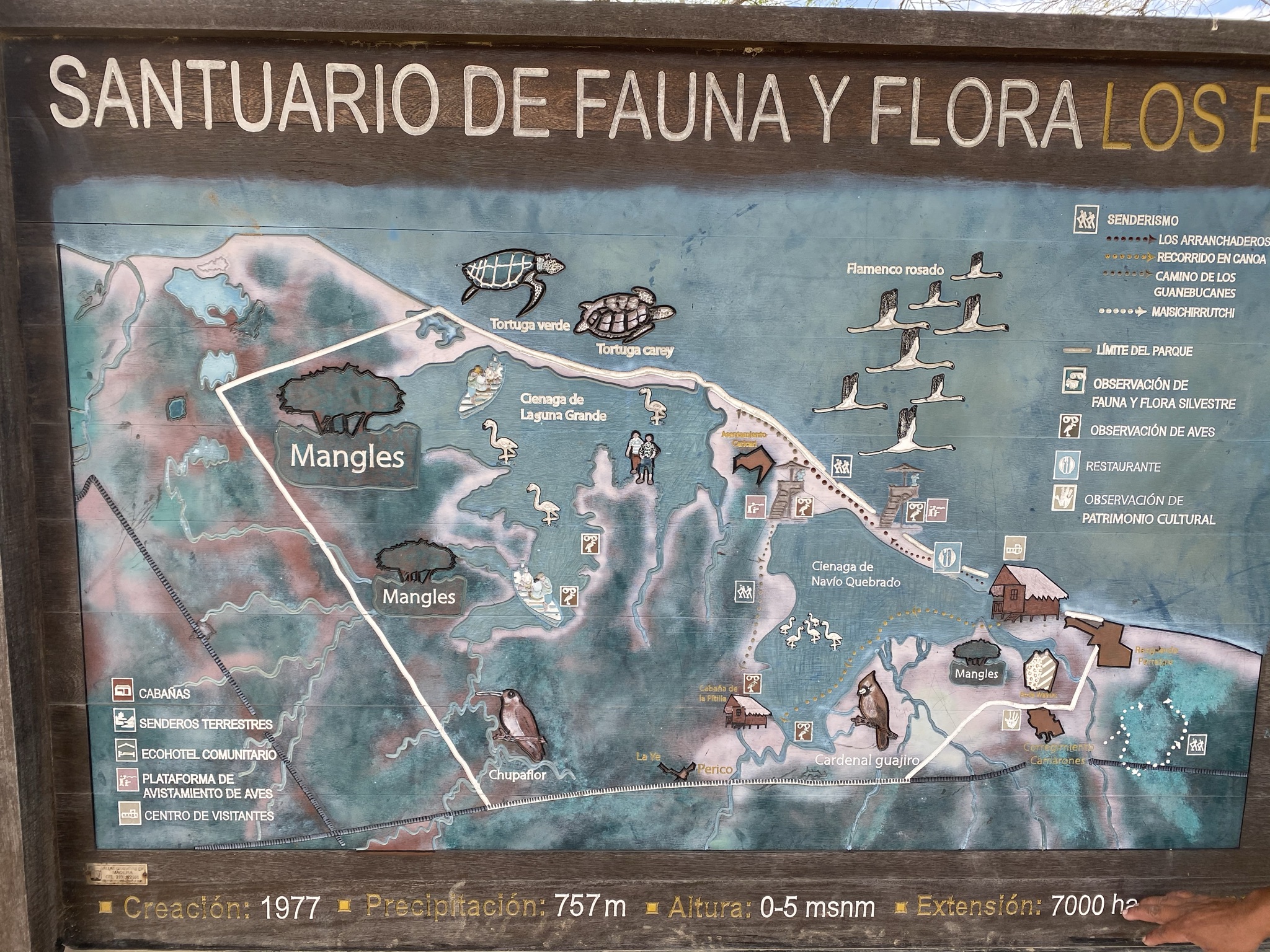
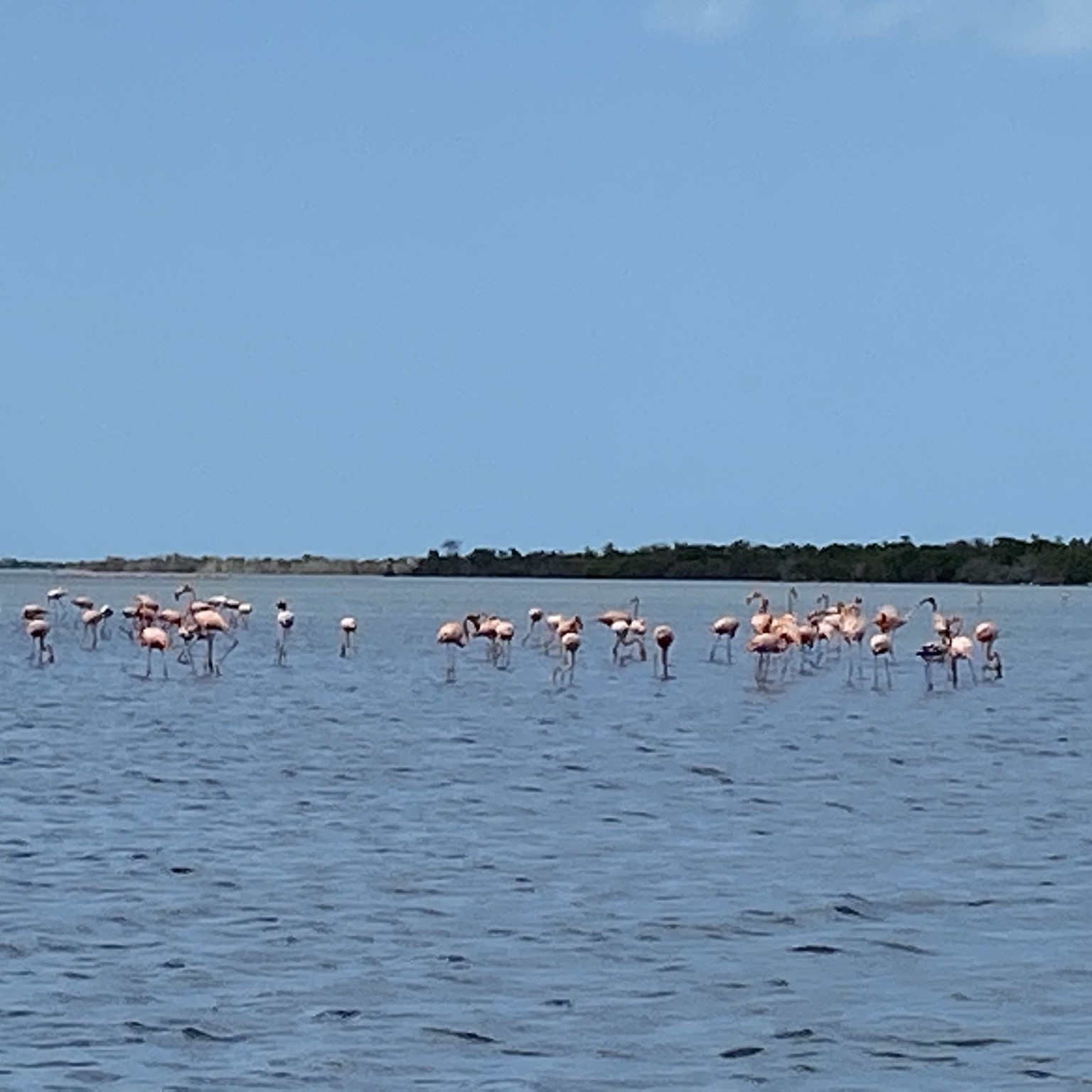
The best place to reach the Flamingos Sanctuary is the small town Camaron. Here, you will find locals who can offer you a canoe ride to see the Flamingos. Before you decide to go for this detour, we must warn you about a couple of things. First, the Flamingos are not there all the time since they are migratory birds that only land in La Guajira to rest and eat on their route between Venezuela and the Caribbean (the best time to see them is between October and May).
Second, the entire Sanctuary is not prepared for professional tourism: the streets to the town are very bad, there is poor demarcation and information about the activity, nobody in the entire town speaks English, and the canoes are artisanal and can give you the impression of sinking (no need to fear here, the depth of the water is no more than 1 meter which is the same reason why the Flamingos can stand and rest here).
If those two warmings do not discourage you, then you will probably enjoy this 2-3 hour stop for bird-watching and will likely get to make some awesome pictures with the pink Flamingos.